Showing posts with label Mistakes. Show all posts

5 Things You Should Never Do when Growing a Garden

5 Things You Should Never Do when Growing a Garden
Have you ever done any of these mistakes when planting a garden? It doesn't take much to grow a plant, just a little know how. Here are some things you should never do if you want to have a beautiful garden:

Don't plant in the shade
If you plant your garden in the shade, you will get a lot of green leafs but no fruit. They need sunlight to produce flowers and fruit. If the humidity is high while plants are in the shade, the roots and seeds can also mold and therefore never grow.

Don't plant in unprepared soil
Always prepare the soil before planting. Add compost, potting soil and till the ground if needed. Another option you have is to plant in a raised box where you can use all new soil, which already has all the nutrients added in for a healthier garden.

Don't water the plants in the heat of the day
By doing so, you will hurt the roots and leaves and possibly kill your plant. Water them at dawn and dusk so that the soil has time to absorb the water before the heat of the day. Always check the soil to see if it needs more water before watering.

Don't use too much fertilizer
Another way you can kill the plants is by using too much fertilizer. You can burn the roots and leaves and they will wilt. If you use fertilizer, make sure you read all the instructions on the labels and know how to apply it.

Don't forget to water
Sun and water are very important for the health of the plant. Don't water too much but don't forget to water them either. If you go on vacation have someone take care of your garden for you. Your plants need your help to grow but soon you will reap the rewards.

Learn from your mistakes and move on. You are capable of growing a garden, but need patience, consistency and will power.
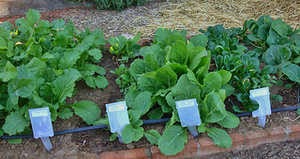
Learning How to Grow a Bountiful Spring Garden: Confessions of a Rookie Gardener

Learning How to Grow a Bountiful Spring Garden: Confessions of a Rookie Gardener
Hello, my name is Sophie Walton and I confess to murder...murder of my spring garden.
Sometime after turning 45, I decided that I was Ouiser (aka "Weezer") from Steel Magnolias. I should wear overalls and a floppy hat while growing tomatoes. There was one problem with this scenario: I had no idea how to grow a spring garden. My idea of gardening was browsing through the Whole Foods next to my office, but I was determined that I would learn how to garden in spite of my husband's irritating laughter every time I mentioned the words "spring garden."

I wish that I could say I am an expert gardener but I cannot. However, I have managed to learn enough spring gardening tips to keep my plants alive for a full season.

Five spring gardening tips from the trenches
  • Dirt is important. Who knew that dirt came in different types? I was very proud of my first spring garden. The rows were so neatly planted, I remembered to water my plants each day and plucked each weed that dared to raise its ugly head in my garden. Then all of my plants died! Good garden soil must include a mixture of fertilizers, including organic animal manures and nitrogen for young plants to grow and thrive. You should also look for soil that allows for good drainage. A great garden begins with good soil.
  • Timing is everything. One reason my first garden failed is I went to the home improvement store, chose the prettiest tomato plants they had, brought them home and plunked them into my garden. I did not understand why those pretty, lush, healthy plants died within a few weeks. It was because they were greenhouse plants and bringing them home and thrusting them into the reality of my garden was too much for them to handle, so they did the only thing they could -- withered and died. I learned that it was too early in the season to plant tomatoes in my area. Once I learned more about the seasons of planting (you can check your USDA plant hardiness map here), my spring garden began to flourish and produce edible vegetables and fruit.
  • Vegetables do have friends. Who knew that there was more to the children's cartoon "Veggie Tales" than a biblical lesson. There is also a great tip for spring gardeners: Some vegetables prefer to grow beside other vegetables. For example, my tomatoes did much better when I grew them with basil and my corn, and green beans do much better when they are side-by-side. Some plants thrive off other plants when they are paired together in a spring garden. Before planting, refer to this chart to find the vegetables that are friendly with each other and those that are bad companions in the garden.
  • Weeds are bad. I hate weeding because it is tedious and boring. However, I quickly learned that if I do not stay on top of weeding, it quickly becomes a huge gardening problem. I pluck weeds each time I water my garden, and I also learned how to control weeds naturally with mulch. Weed control is important to keep your garden healthy.
  • A protected garden is a successful garden. I am a firm believer that part of the reason we experience more illnesses now than ever before is because of what we put into our body, the ground, and the air around us. Therefore, I hated the thought of using any type of chemical pesticides in my garden. Unfortunately, without some type of garden pest control, my tender vegetable plants were a feast for insects and other garden parasites. I found that using organic pesticides and learning about organic pest control helped stop weeds and other insects from reaping what I had sowed.
As I prepare for spring gardening this year, I rejoice over the fact that my husband had to literally "eat his words" as he enjoys the fruits of my labor each year.

Of Flowers and Failures: Spring Gardening Tips for Beginners

Of Flowers and Failures: Spring Gardening Tips for Beginners
I've never been a "successful" gardener, but I learn more through failure each year! Here are some spring gardening lessons from my mistakes!

Consider sunlight
I was fortunate to buy a house with a thriving backyard terrace. The plants are well-established and self-sufficient. My front yard, however, hosts an empty garden bed I am determined to fill. I turned the ground, added fresh soil, and sewed some seeds. The first few sprouts were thrilling, but withered quickly in the nearly-constant sunlight. I always thought sun was good for plants, but in the case of my fragile flowers, too much of a good thing was the end.

Cooking water This is a weird tip I've heard from a number of sources whenever I ask for any sage (or rosemary, or thyme) gardening advice. After steaming veggies, boiling potatoes, or cooking pasta, don't dump the water down the sink, let it cool completely, then use it to water your garden. The idea is that the nutrients seeped out during cooking will add additional potential to garden soils.

Start plants indoors
New England weather is unpredictable at best, and spiteful at worst. While I have learned to weather the weather, tiny plant sprouts are not so resilient. Give your plants a head-start by starting them indoors, and carefully transferring them outside when they are established. I have had the best luck with moving windowsill flowers. Repurposed egg cartons make fabulous starter-beds.

Veggies vs. flowers
If you are a novice gardener, or a hopeless garden-enthusiast like me, you should consider the differences between vegetables and flowers. True, there are perennial flowers, which should bloom every year, but that is only if your roots take, and you are able to fully-establish the plant. Vegetables, on the other hand, tend to grow faster, and are heartier, more forgiving plants. And they're food!

Rabbits like bulbs I planted some tulip bulbs, admiring their resilience, and hoping the flowers would root strongly, and return to bloom each year. After an unseasonable spring heat-wave, my flowers withered, and I learned… that we had rabbits-and rabbits eat flower bulbs! They even left the bulb scraps at my front door! To avoid garden nibbling, encircle bulb-plants with rough gravel, and set up feeders away from your garden.
One day, I will have a successful outdoor garden, but for now I'm still learning, and soaking up the sun with the flowers!

How to Fix Yellowing Leaves in Your House Plant

How to Fix Yellowing Leaves in Your House Plant
Introduction
No one wants to see a yellowing house plant. It's a sign of neglect, and a plant that is lacking the essential nutrients for its growth. A green plant is about striking the perfect balance for the plant to thrive in. There are a number of factors for you to consider.
There are four factors to consider:
  • · Lighting
  • · Fertilizer
  • · Water
  • · Plastic Versus Clay Containers
  • 1. Lighting
First, see if your plant is getting the right amount of light. Check the store tag on your species of plant; see how much light it requires and adjust the light accordingly. Move the plant closer to window if it requires more light; if it's getting too much light than move it further away from the window.
  • 2. Fertilizer
Second, the tag in the plant will tell you to fertilize the plant every month or so; make sure you follow the instructions to the letter. Many times the plant yellows because of a deficiency in nitrogen; you may want to add bone meal or some other kind of organic fertilizer. An easy all purpose fertilizer to use is fish meal.
  • 3. Water
Third, never over water a houseplant. The best way to figure out if it needs to be watered is to buy a moisture meter. You only water it periodically once a week and only when the meter is red and says, 'Dry'.
  • 4. Plastic Versus Clay Containers
If you keep your plant in the store bought plastic container, you will not need to water it much. Plastic containers do not dry quickly, so abstain from overwatering and use a moisture meter to find out if it's dry. A better pot is a clay container for your houseplant; they will dry much faster.

Dracaenas
Since, there are so many plants to buy for beginners I would suggest the species Dracaena. Dracaenas make for beautiful house and office plants; and they require minimal care.

Remove Yellowing Leaves
If there are many leaves and some are yellow, I suggest you cut off the yellowing ones. You may cut off the yellowed leaf tips and shape the leaves with scissors to make them look more natural. Fortunately, there should be many green ones -so the plant won't look too cut up. If they're all yellow then don't cut them all, and try to remedy the solution with what I suggested.